News » A Green Deal on Steel video series - episode 2
A Green Deal on Steel video series - episode 2
Recent updates
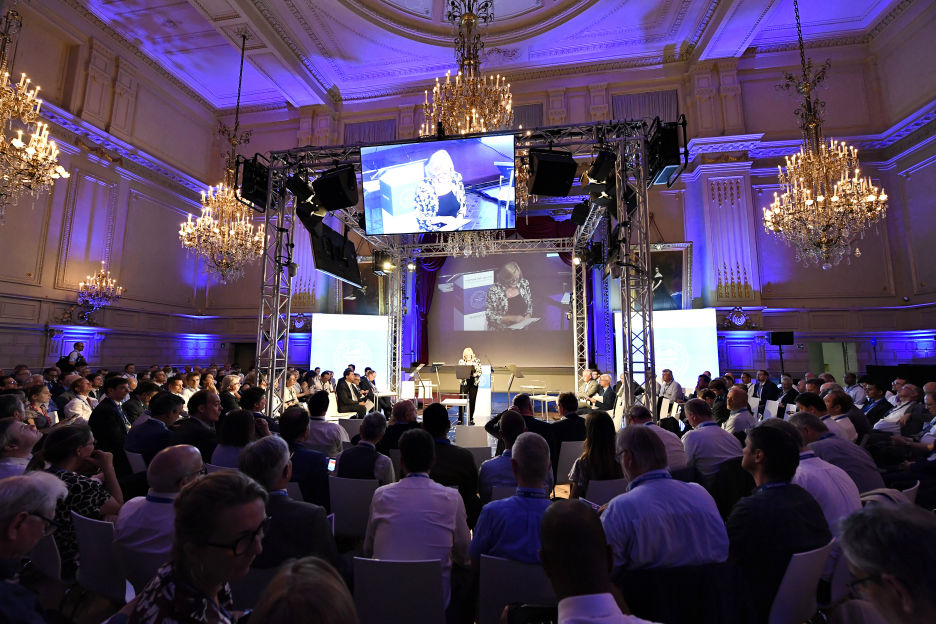
This is the second episode in EUROFER's Green Deal on Steel series: the importance of energy in the success of the transition to low-carbon steelmaking.
Energy is key to achieving the steel industry’s low-carbon goals. The transition to carbon-lean steelmaking will require 400 terawatt-hours of CO2-free electricity per year.
This is almost the total electricity demand of France. It is seven times what the steel industry purchases from the grid today. This electricity needs to be ‘green’ and affordable.
Of this, nearly 250 terawatt-hours is needed for the production of 5.5 million tonnes of hydrogen, which would be used in new processes to make ‘green’ steel.
EU policymakers must help create a market for the resulting green steel, which may cost 35 to 100 percent more to produce than it does with the highly optimised processes currently in use.
The benefits to society from the availability of green electricity and green industrial products, such as green steel, are huge – so Europe needs to strive to make the energy transition as quickly and comprehensively as possible.
Brussels, 3 April 2026 – The European Steel Association (EUROFER) has set out proposals to improve the EU’s Carbon Border Adjustment Mechanism (CBAM), just as the system enters a decisive new phase with the publication of the first carbon certificate prices expected on 7 April 2026.
Brussels, 25 March 2026 - The European Steel Association (EUROFER) has warned that the latest OECD data released in Paris today confirms a deepening global steel crisis and urged the EU to act swiftly to adopt its new steel trade measure.
The new Waste Shipment Regulation entered into force on 20 May 2024, with most of its provisions—including critical operational requirements—set to apply from 21 May 2026.